
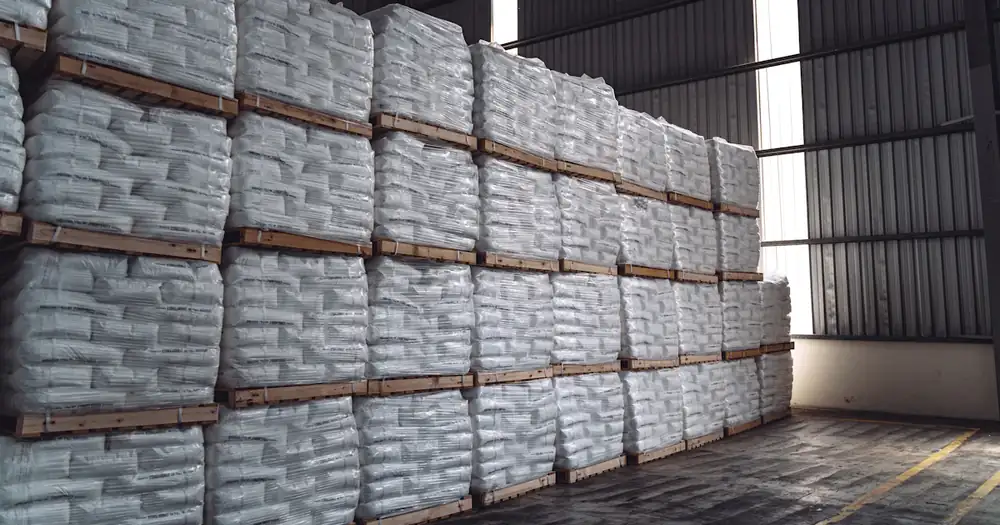
 Industry
 November 1, 2026
Planning Q1 Stock: An Order Calendar for Roasters
A January delivery of green coffee is rarely ordered in January, so it pays to count backwards from the day the bags must reach you.

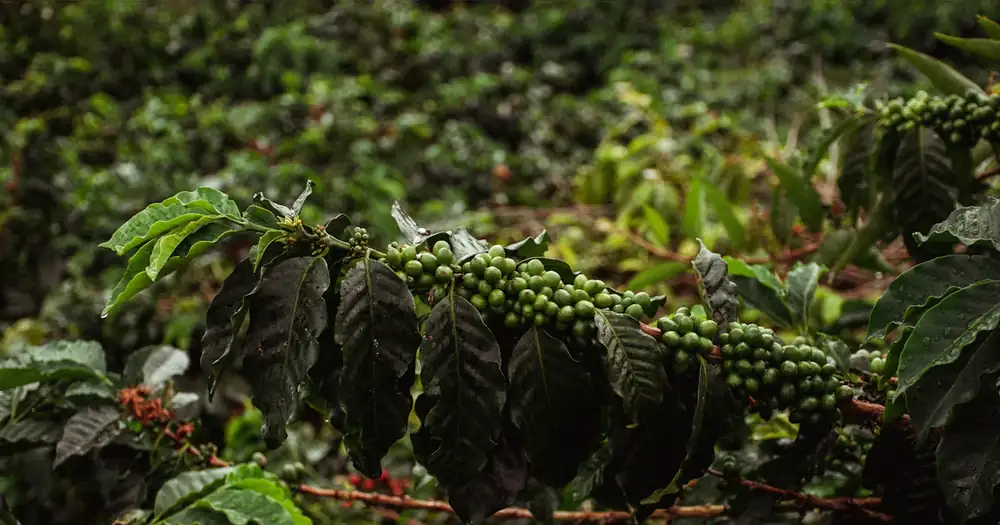
Shade Trees on Coffee Farms and Why Farmers Keep Them
Lamtoro and gamal are common shade trees on Indonesian coffee farms, and farmers weigh what they give the coffee against some lost yield.
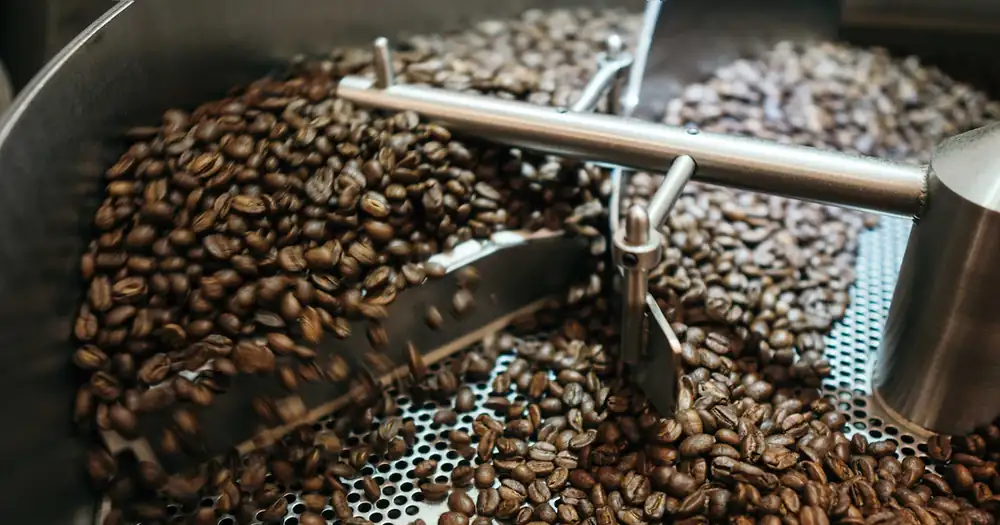
Roasting Wet-Hulled Sumatran Beans Without Scorching the Surface
Wet-hulled beans arrive uneven in color and moisture, so a gentler start and a longer drying phase usually pay off in the roaster.
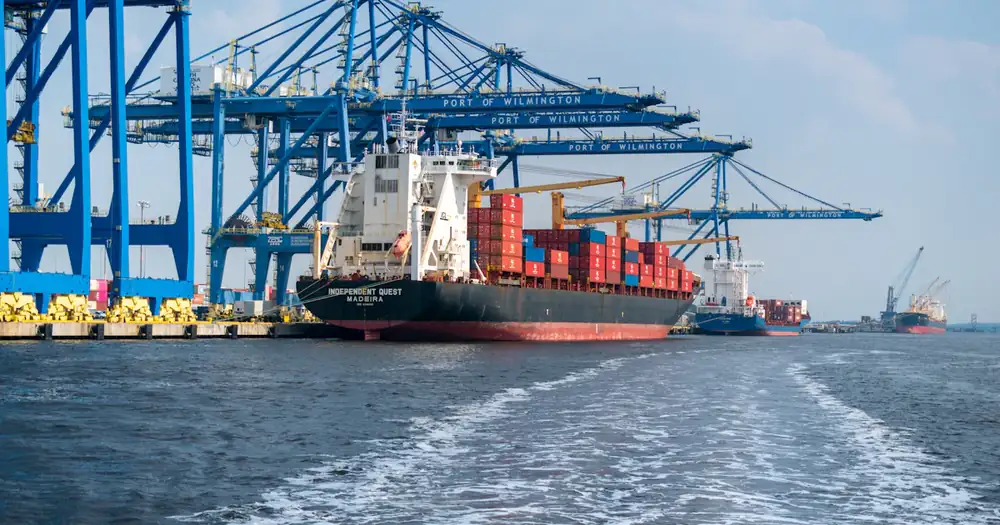
The Export Documents Checklist for a Green Coffee Shipment
A green coffee shipment needs a short set of documents, and a typo in any one of them can hold the container at the destination port.
Grade 1 or Grade 2: Which One Do You Need?
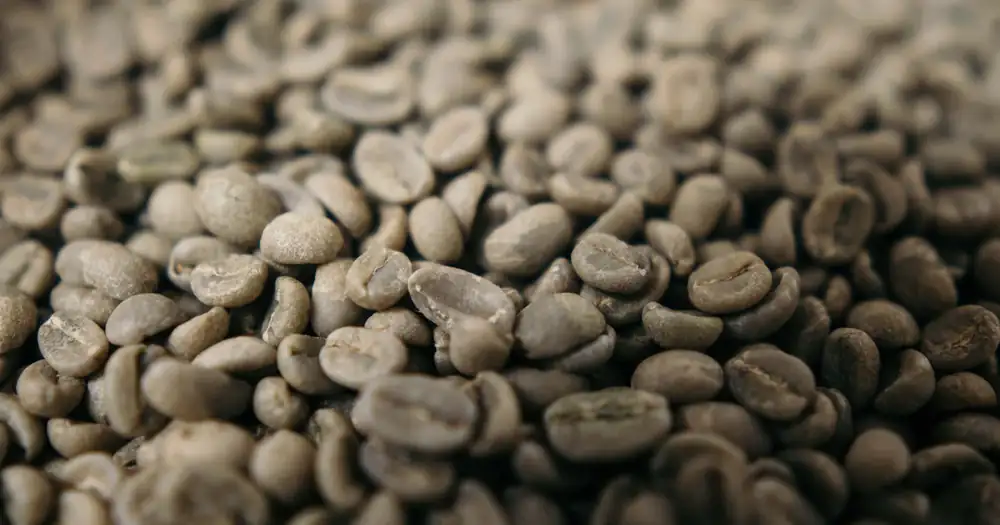
Grade 1 is the cleaner lot, but in a blend or a dark roast the extra defects in Grade 2 are often hard to find in the cup.
Lampung Robusta, From Cherry to Bag
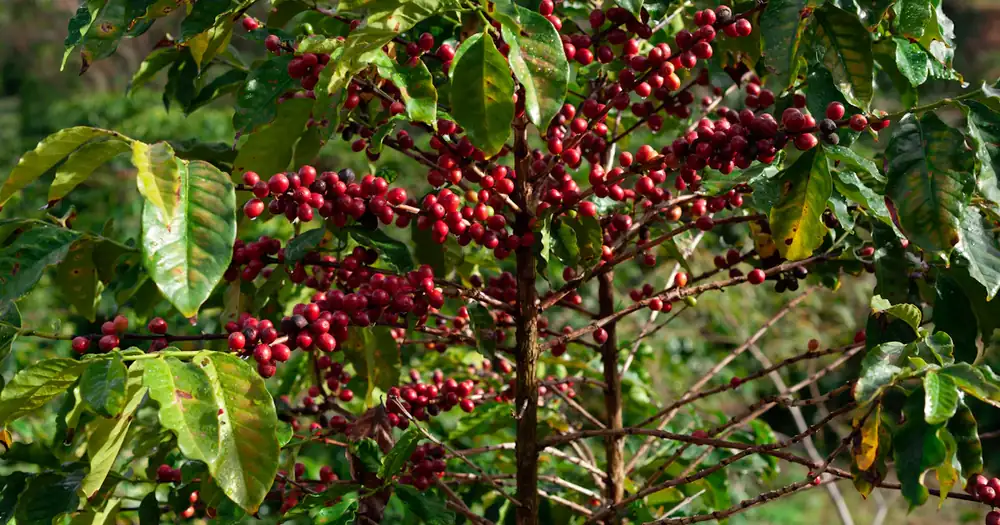
Lampung Robusta is picked from roughly April to August, dried, hulled at a mill, then trucked to Panjang port for the container.
Why Roasters Are Taking Another Look at Robusta
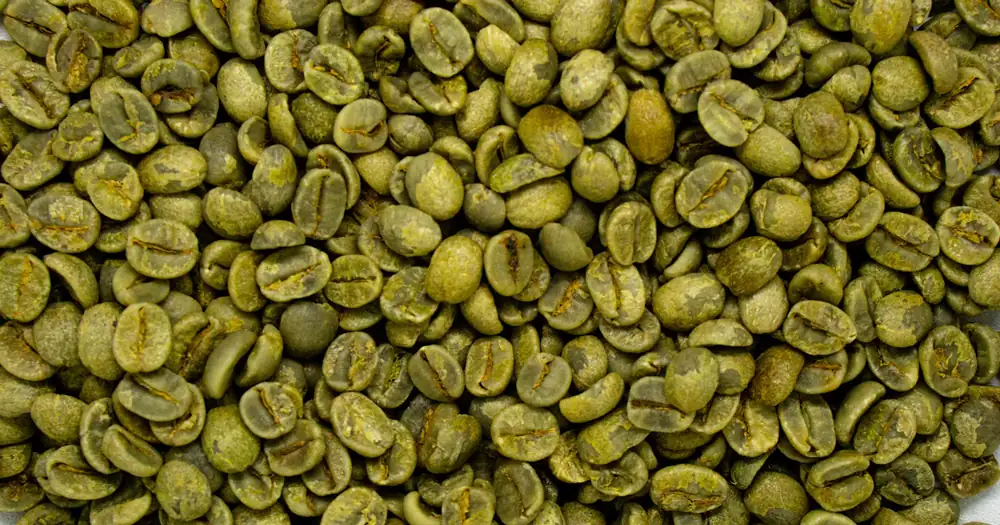
Robusta gives espresso crema, body and caffeine, and a well-grown, well-dried lot tastes less like rubber than its reputation suggests.
Wet-Hulling Explained: What Giling Basah Does to Coffee
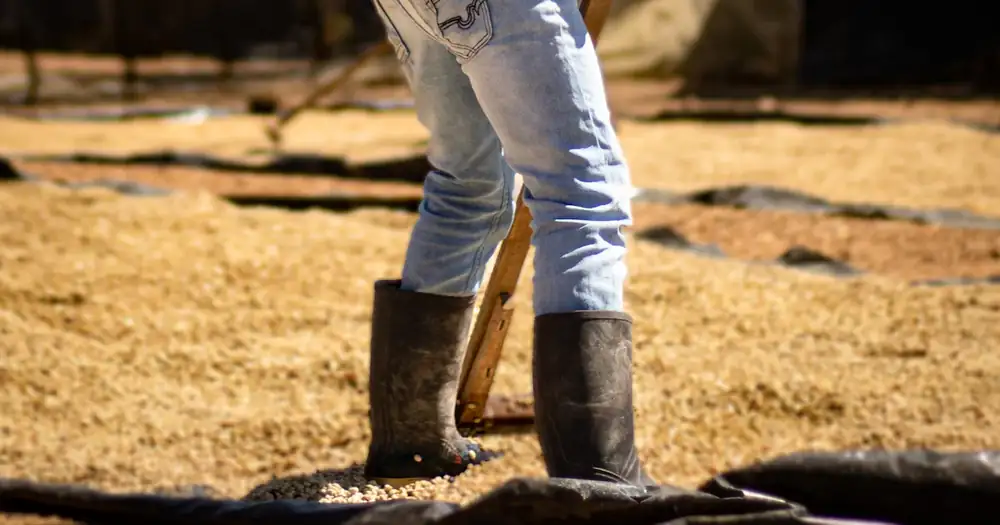
In wet-hulling, the parchment comes off while the bean is still wet, which explains much of the Sumatran cup and some of its risks.
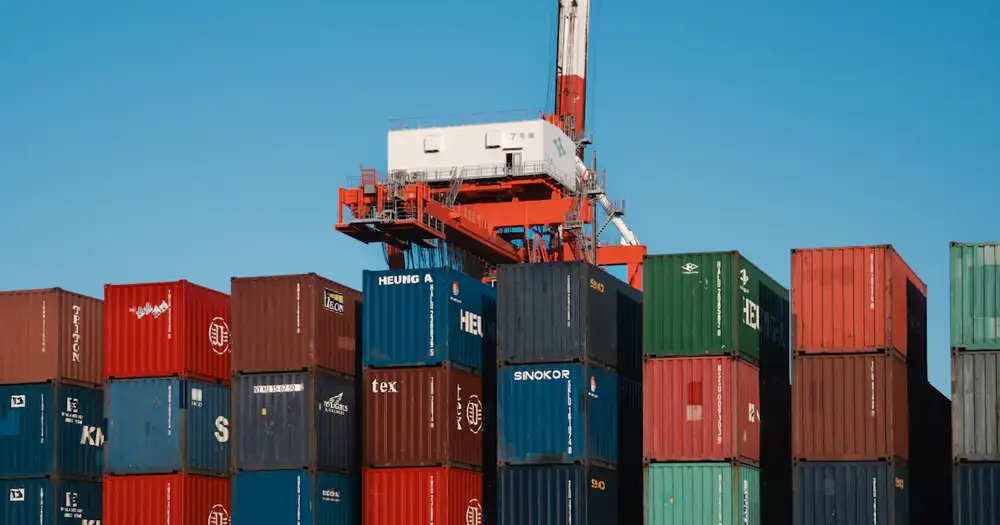
What Goes Into a 20-Foot Container of Green Coffee
A 20-foot container takes roughly 320 bags of 60 kg, or 19.2 tons, and the main risk on the voyage is moisture, not weight.
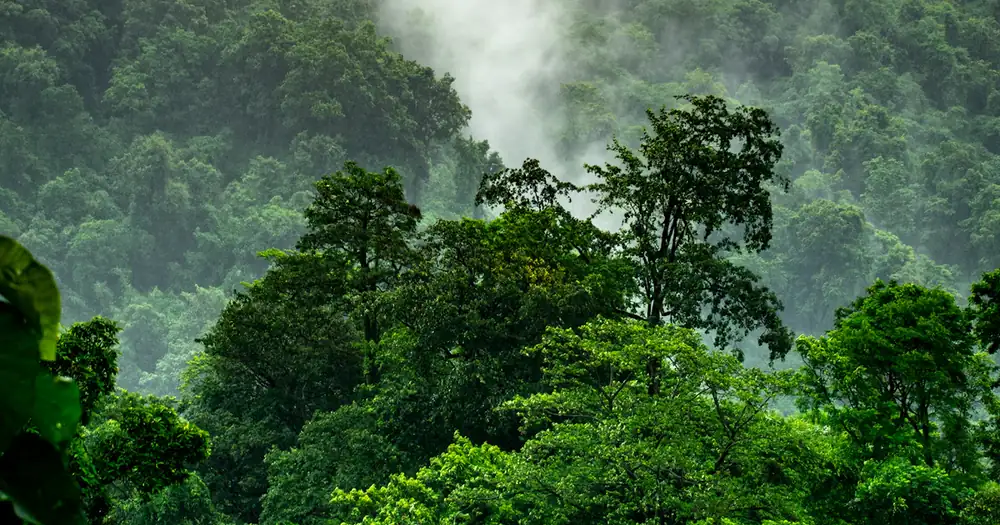
Mandheling Is a Name, Not a Place
Mandheling comes from the name of the Mandailing people, and much of the coffee sold under it grows in other parts of North Sumatra.
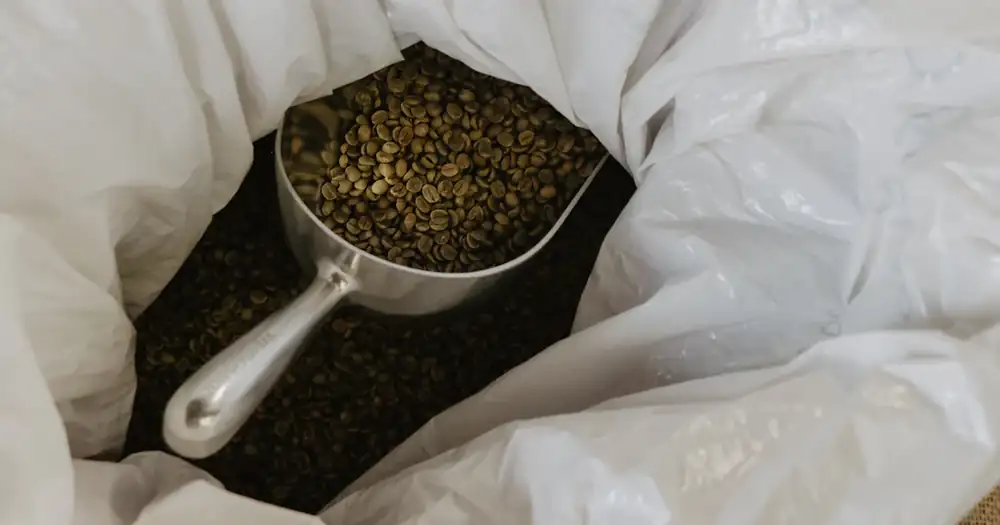
How We Read a Green Coffee Sample
A sample is judged in a fixed order: smell, moisture, screen size, defects, then roast and cup. Skipping a step usually costs you later.
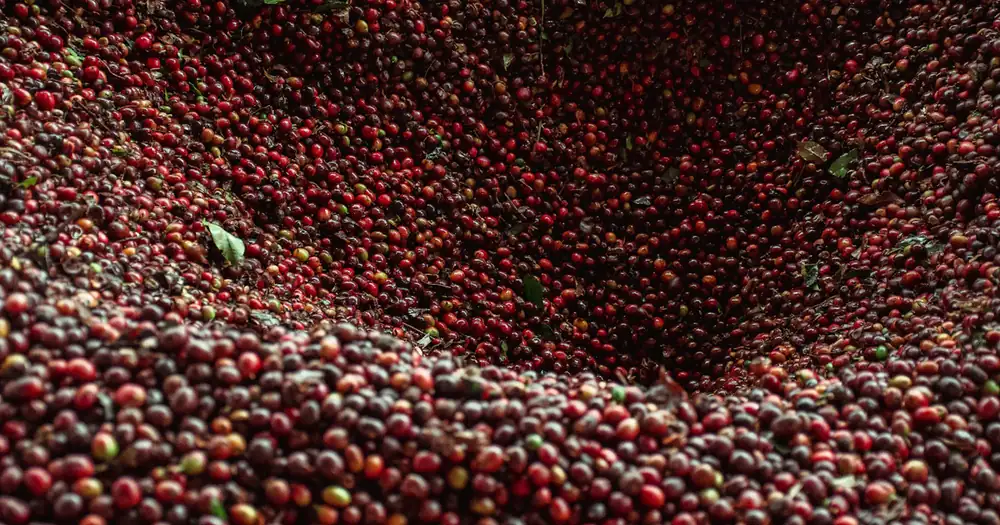
Sumatra Main Harvest: What the Next Three Months Look Like
Sumatran Arabica comes in over roughly October to January, and the weather during those weeks decides how clean the coffee dries.
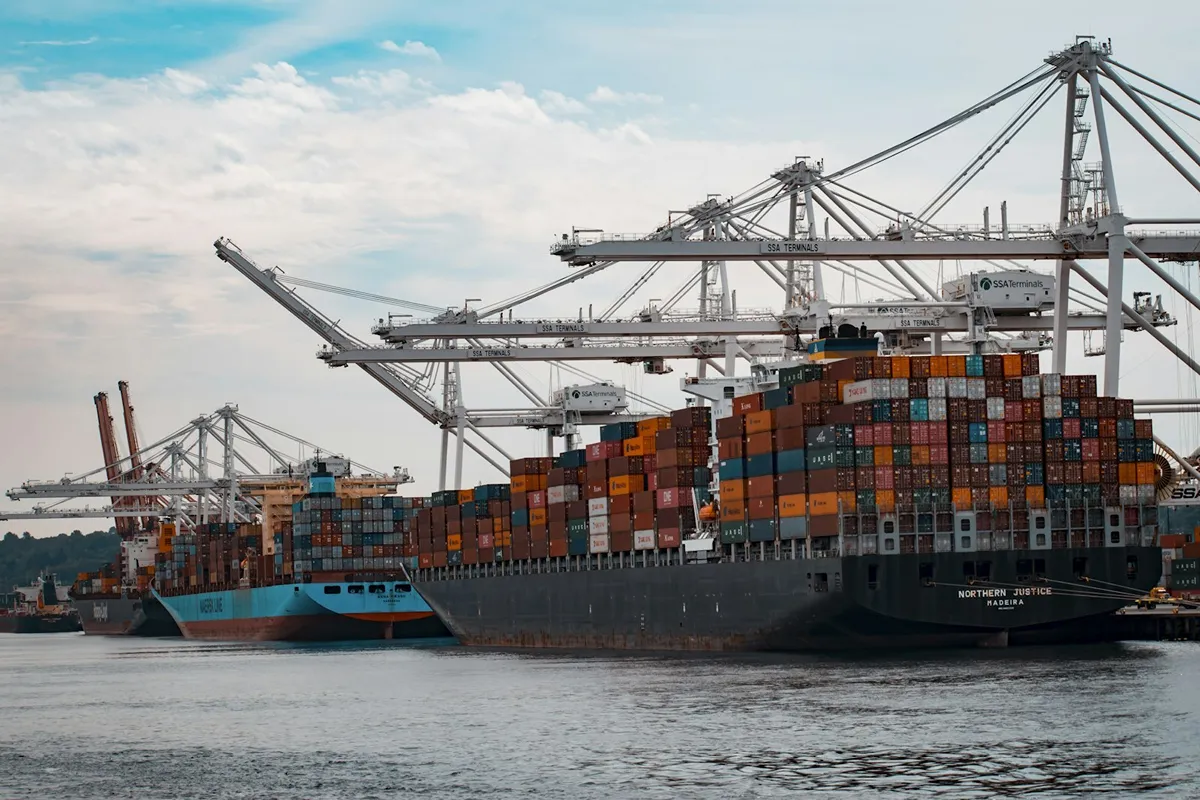
Indonesian Green Coffee Exports Rise 18% in Q1 2025
Strong demand from European and East Asian markets drives significant growth in Indonesian specialty coffee exports this quarter. PT Solid Aroma Mandiri reports record shipment volumes to Belgium, Netherlands, and Japan.
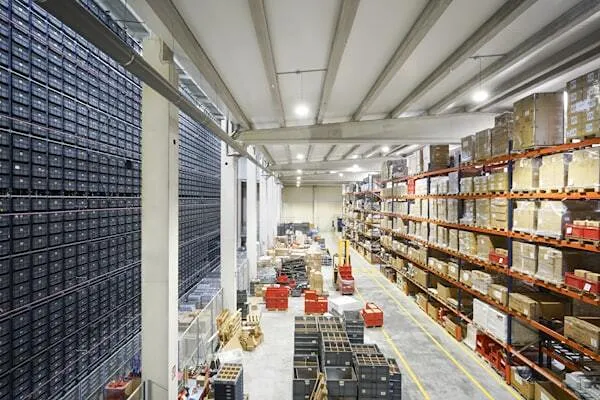
PT Solid Aroma Mandiri Secures New Partnership in Japan
We are pleased to announce a new long-term supply agreement with a leading Japanese coffee roaster, further expanding our Asia-Pacific presence and diversifying our export portfolio.
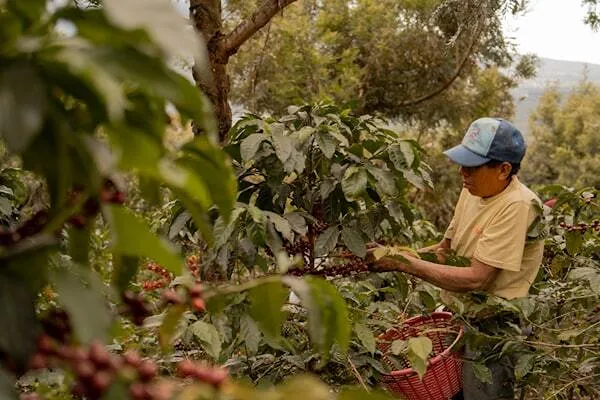
Our Commitment to Sustainable Farming in the Gayo Highlands
A look at our ongoing initiatives supporting smallholder farmers in Central Aceh through training programs, fair pricing agreements, and environmental stewardship in the Gayo Arabica growing region.
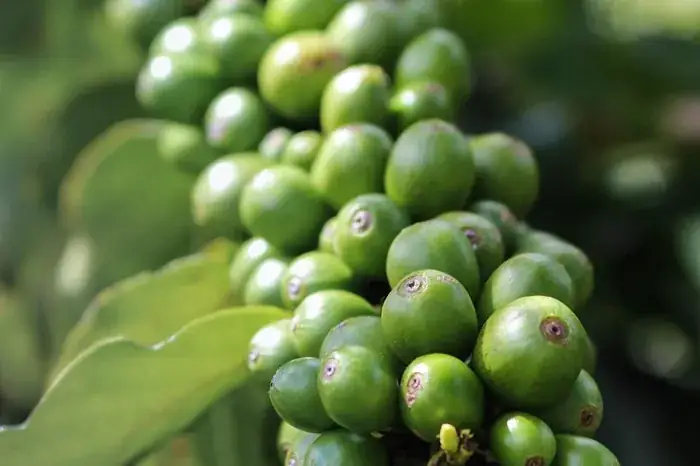
Global Specialty Coffee Demand: What It Means for Indonesian Exporters
Rising global specialty coffee consumption is creating unprecedented opportunities for Indonesian green bean exporters. We explore the trends shaping demand for Arabica origins like Gayo, Mandheling, and Ijen.
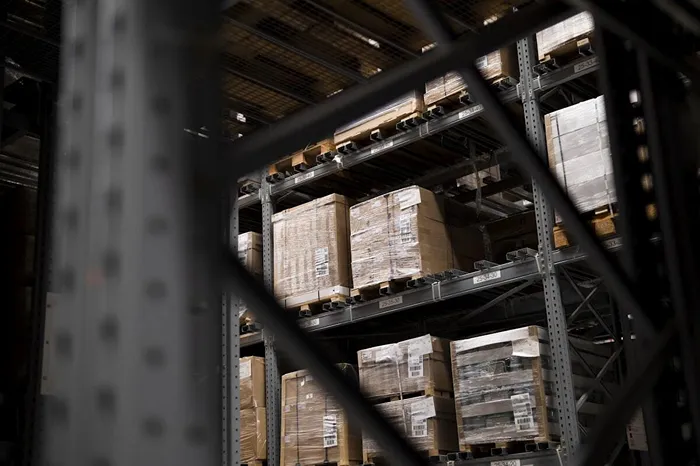
New Warehouse Facility Opens in Lampung to Expand Export Capacity
PT Solid Aroma Mandiri officially inaugurates an expanded 3,000 sqm climate-controlled warehouse facility in Lampung, equipped with state-of-the-art grading, sorting, and quality control infrastructure.
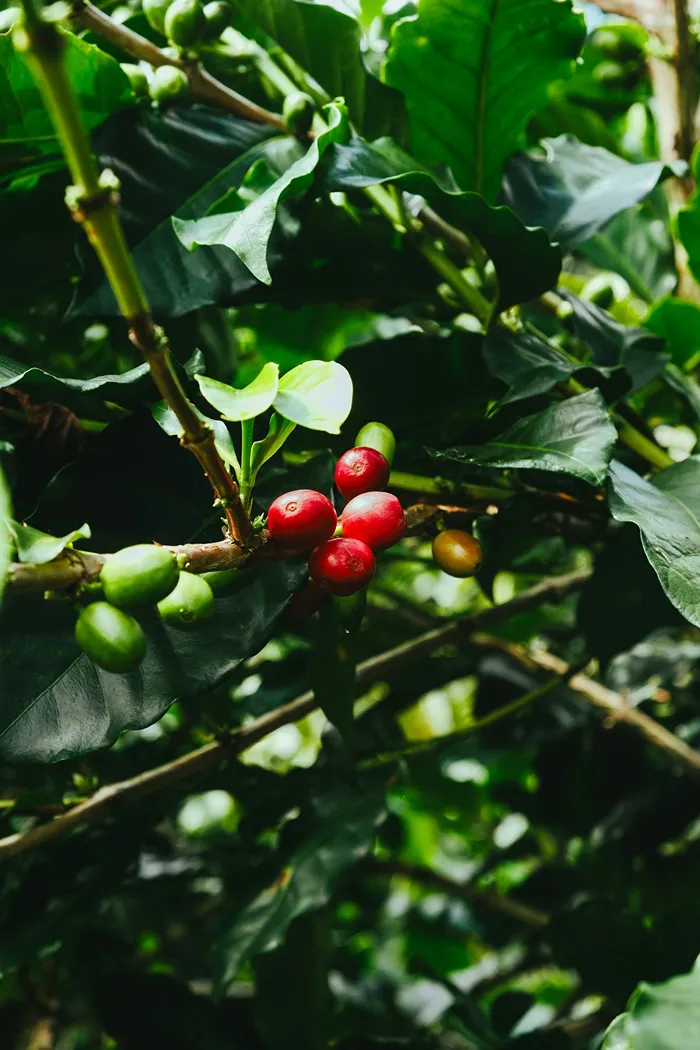
Introducing Our New Arabica Ijen Volcano Lot — Limited Availability
We are proud to launch a new premium micro-lot from the Ijen Plateau in East Java — a rare high-altitude Arabica with exceptional sweetness, vibrant acidity, and a distinctly volcanic terroir character.